
Welcome to Dr.Pest Common Pest Library!!
Explore our comprehensive guide to understanding and managing common pests in Pennsylvania. From termites and bedbugs to rodents and ants, our library provides valuable insights, prevention tips, and treatment options to help you keep your home or business pest-free. At Dr. Pest Control, we are dedicated to providing the best pest control services in Pennsylvania. Our expert team is committed to ensuring that your home is free of pests while delivering the highest level of customer service. We understand the importance of a pest-free environment and strive to exceed your expectations. Browse through our detailed resources and discover how we can help with your pest control needs.

Termites
(Eastern Subterranean Termite)
The Eastern Subterranean Termite is the most common termite species in Pennsylvania. These termites live underground and are known for their destructive impact on wood structures.
Potential Damage:
Termites feed on wood and can cause significant damage to the structure of homes and buildings. The Eastern Subterranean Termite is particularly harmful to foundations, beams, and support structures.
Prevention Tips:
-
Inspect for mud tubes or signs of wood damage.
-
Ensure proper drainage around the foundation to prevent excess moisture.
-
Regular inspections by pest control professionals can help identify early signs of infestation.
Treatment Options:
Professional treatments may include liquid termiticides, baiting systems, and fumigation for heavy infestations.

Fleas
Cat Flea (Ctenocephalides felis)
Fleas are common in Pennsylvania, especially in homes with pets. These small, blood-sucking insects are most active in the warmer months.
Potential Damage:
Fleas cause itchy bites and can lead to allergic reactions or skin infections. They can also transmit diseases such as plague and tapeworms.
Prevention Tips:
-
Regularly treat pets with flea prevention products.
-
Wash pet bedding and vacuum frequently.
-
Treat your home with flea sprays if an infestation occurs.
Treatment Options:
Flea treatment includes treating pets, washing fabrics, and applying insecticides to indoor and outdoor areas.
Cockroaches
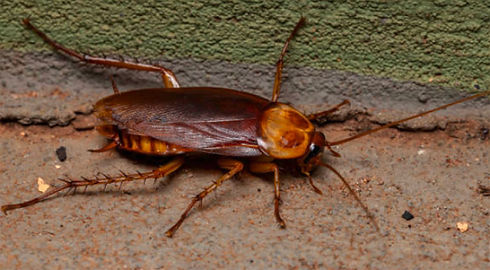
(German Cockroach)
The German cockroach is the most common species in Pennsylvania. These nocturnal pests are often found in kitchens and bathrooms, where food and moisture are available.
Potential Damage:
Cockroaches can contaminate food and surfaces with bacteria. Their droppings and saliva can also trigger allergic reactions or asthma attacks in sensitive individuals.
Prevention Tips:
-
Keep food stored in sealed containers and clean up crumbs.
-
Eliminate moisture sources by fixing leaks.
-
Seal cracks and crevices around windows and doors.
Treatment Options:
Effective treatments include traps, baits, and insecticidal sprays. A professional pest control service may be needed for heavy infestations.
Mosquitoes
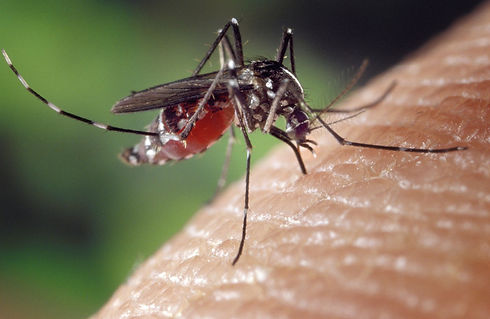
Northern house mosquito (Culex pipiens)
Mosquitoes are prevalent in Pennsylvania, especially in areas with standing water, which provides a breeding ground. They are most active in the warmer months.
Potential Damage:
Mosquitoes can transmit diseases such as West Nile virus, Zika virus, and Eastern Equine Encephalitis (EEE).
Prevention Tips:
-
Eliminate standing water from gutters, birdbaths, and plant saucers.
-
Use screens on windows and doors to keep mosquitoes out.
-
Apply mosquito repellents when outdoors.
Treatment Options:
Professional mosquito control includes spraying treatments and eliminating breeding grounds around your property.

Spiders
(Common in Pennsylvania)
Spiders, including the house spider and black widow, are commonly found throughout Pennsylvania. These arachnids are often seen in basements, attics, and corners of homes.
Potential Damage:
Spiders can create unsightly webs. While most are harmless, the black widow and brown recluse spiders can be dangerous, with bites that may cause severe reactions in some people.
Prevention Tips:
-
Seal cracks and gaps in walls, windows, and doors.
-
Regularly clean areas where webs may form.
-
Keep clutter to a minimum to reduce hiding places.
Treatment Options:
Treatment includes spider-proofing your home and, if necessary, using insecticides or traps for severe infestations.

Ants
(Pavement Ants and Carpenter Ants)
Pavement ants and carpenter ants are common in Pennsylvania. Pavement ants are typically found outdoors, while carpenter ants may enter homes and damage wood structures.
Potential Damage:
Carpenter ants can cause significant structural damage by hollowing out wood. Pavement ants are primarily a nuisance but can also contaminate food.
Prevention Tips:
-
Seal cracks and gaps around windows and doors.
-
Keep food in sealed containers.
-
Remove wood piles and moisture sources near your home.
Treatment Options:
Treatments include baiting, sprays, and sealing entry points. Professional help may be required for carpenter ant infestations.
BED BUGS
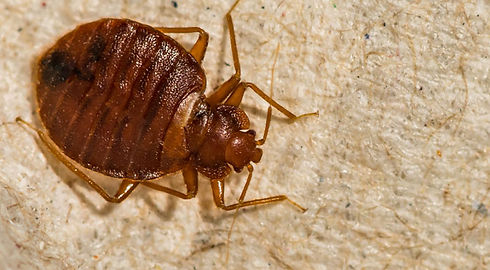
(Cimex adjunctus)
Bed bugs are common in Pennsylvania, especially in hotels, apartments, and homes. These small, reddish-brown insects feed on human blood, typically at night.
Potential Damage:
Bed bugs cause itching and discomfort from bites. They can also lead to sleeplessness and stress. Though they don't transmit diseases, their presence can be disturbing.
Prevention Tips:
-
Inspect secondhand furniture before bringing it into your home.
-
Wash and dry bedding on high heat regularly.
-
Use bed bug-proof covers for mattresses.
Treatment Options:
Treatment often includes heat treatments, insecticidal sprays, and vacuuming to remove eggs and bugs.
TICKS
(Lyme Disease and Deer Ticks)
Ticks, particularly deer ticks (Ixodes scapularis), are common in Pennsylvania, especially in wooded areas. They are known to transmit diseases like Lyme disease and anaplasmosis.
Potential Damage:
Ticks can transmit diseases, causing severe health issues such as Lyme disease. A bite can lead to skin irritation and the transmission of harmful bacteria.
Prevention Tips:
-
Wear long sleeves and pants when walking in grassy or wooded areas.
-
Use tick repellents and perform tick checks after being outdoors.
-
Keep grass and brush trimmed to reduce tick habitats.
Treatment Options:
Tick treatments for your property may include pesticide applications and clearing vegetation to reduce tick populations.

Rodents
(Rats & Mice)
Rodents, particularly Norway rats and house mice, are common in Pennsylvania. These pests often invade homes seeking food and warmth, especially during colder months.
Potential Damage:
Rodents can chew through wires, insulation, and structural materials. They can also spread diseases like leptospirosis, salmonella, and hantavirus.
Prevention Tips:
-
Seal entry points around pipes, doors, and windows.
-
Store food in airtight containers.
-
Keep areas clean and free of crumbs or food waste.
Treatment Options:
Rodent control involves setting traps, using rodenticides, and sealing all potential entry points around the home.

Wasps
(Yellow Jackets & Hornets)
Wasps, including yellow jackets and hornets, are aggressive pests that commonly build nests in the eaves of buildings and trees.
Potential Damage:
Wasps can sting when threatened, which can be painful or cause allergic reactions. Their nests can also be a safety hazard.
Prevention Tips:
-
Avoid disturbing nests.
-
Seal gaps and holes around windows and doors.
-
Use wasp traps or deterrents around your property.
Treatment Options:
Professional wasp removal is recommended for safety, particularly for large nests.

Stink bug
(Brown Marmorated)
The brown marmorated stink bug is an invasive pest that’s become common in Pennsylvania. These bugs release a foul odor when disturbed.
Potential Damage:
Stink bugs feed on plants, fruits, and vegetables, causing damage to crops and gardens. They also invade homes in the colder months.
Prevention Tips:
-
Seal cracks and gaps in your home.
-
Use screens on windows and doors.
-
Remove food sources that attract them.
Treatment Options:
Treatment includes sealing entry points and applying insecticides around entryways.
Centipedes are commonly found in Pennsylvania, particularly in damp areas like basements, bathrooms, and under rocks.
Potential Damage:
Centipedes are not harmful to humans, but their appearance can be startling. They feed on smaller insects, so their presence often indicates other pest problems.
Prevention Tips:
-
Reduce humidity in basements and bathrooms.
-
Seal cracks and gaps in walls and windows.
-
Remove food sources (other pests) that attract centipedes.
Treatment Options:
Control involves reducing moisture levels and using insecticides in areas where centipedes are commonly found.